
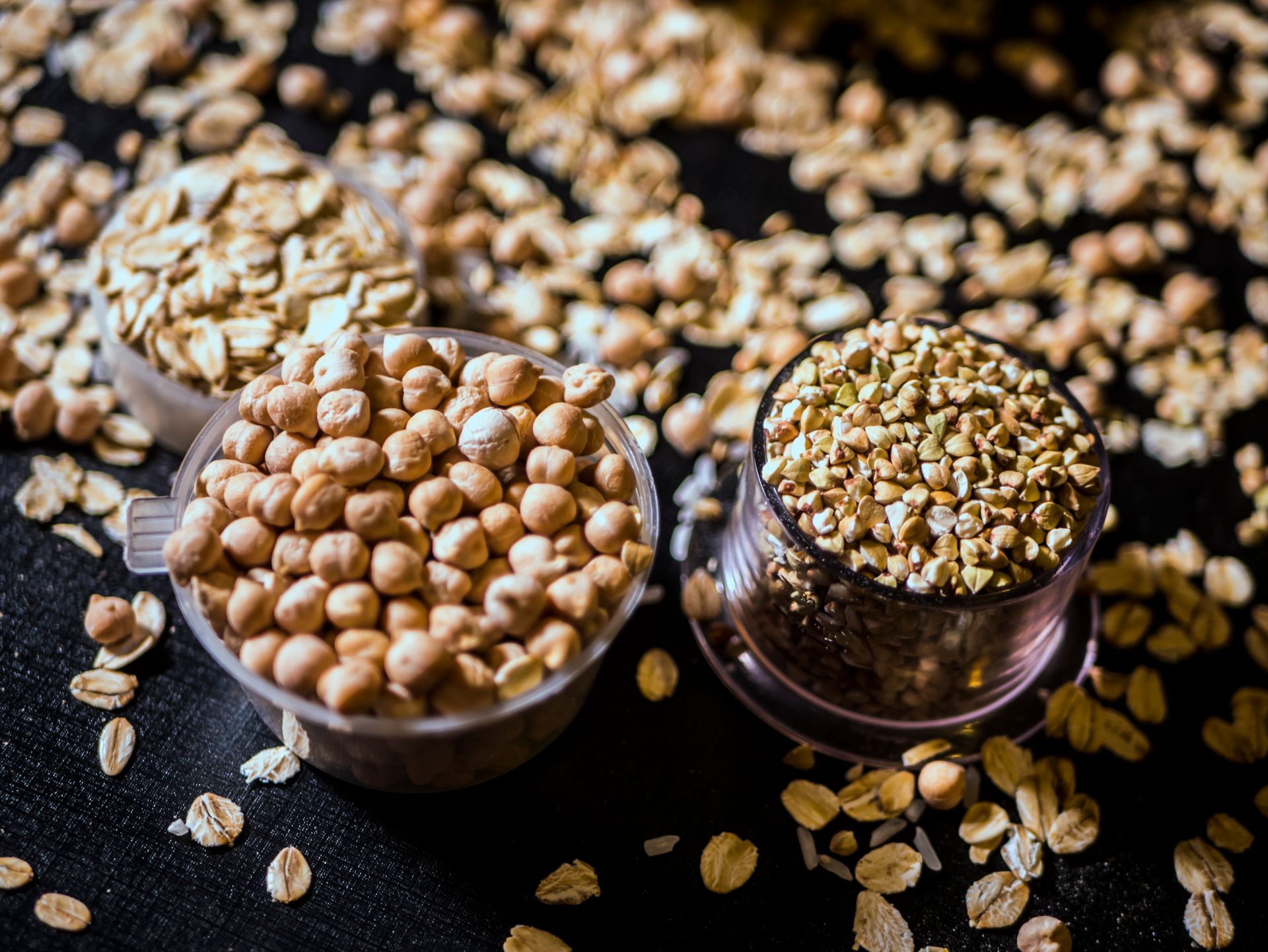
Beans vs Lentils: The Foods I Thought Were Just for Vegetarians
Before my health journey, beans meant one thing.
Baked beans.
That was it.
If you’d asked me about lentils, I’d probably have looked at you blankly.
I honestly thought beans and lentils were foods that vegetarians ate because they couldn’t eat meat.
I also imagined they were bland.
Boring.
A bit miserable, if I’m honest.
Like so many of the healthy foods I’ve written about, I couldn’t have been more wrong.
Why I Started Looking at Beans and Lentils
Everything changed after my suspected heart attack.
Almost overnight I found myself researching heart health.
How do you keep your arteries healthy?
What foods support your heart?
How do you reduce your risk in the future?
As I worked my way through articles, books and documentaries, the same foods kept appearing.
Fish.
Olive oil.
Nuts.
Seeds.
Beetroot.
Blueberries.
And then…
Beans and lentils.
At first, I ignored them.
They just didn’t appeal to me.
But eventually curiosity got the better of me.
Why Are They So Healthy?
One of the things that surprised me most was just how much nutrition these humble foods contain.
Beans and lentils provide an impressive combination of:
No wonder they kept appearing in every article I read about heart health.
Beans vs Lentils
People often talk about beans and lentils as though they’re exactly the same.
They’re actually different foods, each with their own strengths.
Green Lentils
These are the ones I eat most often.
They’re packed with fibre and plant protein while also holding their shape well when cooked.
They make an excellent side dish and work beautifully with fish.
One of my favourite meals is salmon, green lentils and beetroot.
Simple.
Nutritious.
Delicious.
Kidney Beans
Kidney beans are probably best known for chilli.
They’re rich in fibre, protein, iron and folate, making them a fantastic addition to hearty meals.
I always include them in my homemade chilli.
Black Beans
Black beans surprised me.
Their dark colour comes from natural plant compounds called anthocyanins—the same family of antioxidants found in blueberries.
They’re another excellent source of fibre and protein and add great texture to chilli and Mexican-style dishes.
What About Other Beans?
Although I don’t regularly eat these yet, they’re well worth knowing about.
Chickpeas
Perfect for curries, salads and homemade hummus.
Rich in fibre and protein.
Cannellini Beans
Creamy in texture and excellent in soups, casseroles and Mediterranean dishes.
Butter Beans
Larger and softer than many other beans, making them ideal for stews and warming winter meals.
One of the things I’ve learnt during this journey is that variety matters.
Each type brings slightly different nutrients to your plate.
Better Than I Expected
The first time I tried lentils, I expected them to have a really strong flavour.
Instead…
They were much milder than I imagined.
Rather than dominating a meal, they absorbed the flavours around them beautifully.
That was a pleasant surprise.
But the biggest surprise came afterwards.
How They Made Me Feel
One meal in particular really sticks in my mind.
Salmon.
Green lentils.
Beetroot.
On paper, it sounds incredibly simple.
After eating it, though, I remember feeling genuinely energised.
Satisfied.
Healthy.
It’s difficult to explain unless you’ve experienced it yourself.
It wasn’t the heavy, sluggish feeling I’d often had after takeaways.
It felt like I’d finally started giving my body the fuel it had been asking for.
That feeling has stayed with me ever since.
Are Tinned Beans Healthy?
Absolutely.
One of the biggest myths I had was assuming healthy eating meant preparing everything from scratch.
Tinned beans are incredibly convenient.
They’re inexpensive, last for months and retain most of their nutritional value.
The only thing I usually do is rinse them under cold water before using them, which helps remove some of the added salt from the canning liquid.
Simple.
They’re Good for Your Wallet Too
Another pleasant surprise was the price.
Compared with many protein sources, beans and lentils are incredibly affordable.
Healthy eating doesn’t have to be expensive.
Sometimes the most nutritious foods are also among the cheapest.
My Biggest Takeaway
Before my health journey, I genuinely thought beans and lentils were just for vegetarians.
Today they’re a regular part of my diet.
Not because someone told me I had to eat them.
But because I understand what they bring to the table.
They’re filling.
Nutritious.
Affordable.
Versatile.
And they support one of the things I care about most these days…
Looking after my heart.
Takeaway
Looking back, I smile at the person who thought beans and lentils were bland food for vegetarians.
Today I see them very differently.
They’re simply another reminder that some of the healthiest foods are also the ones we know the least about.
And sometimes, all it takes is giving them a chance.