
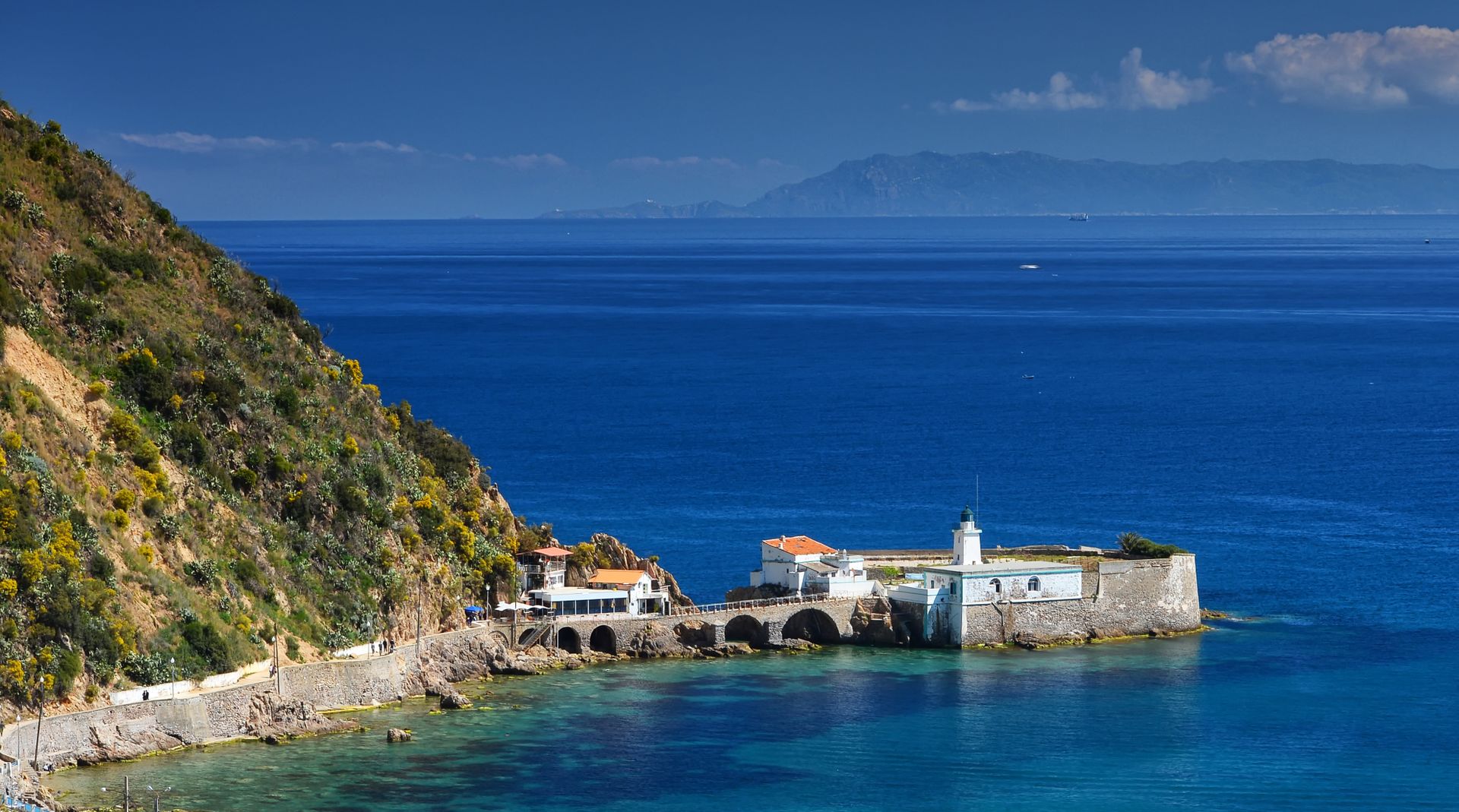
The Mediterranean Diet: It’s Not Really a Diet
A few years ago, if someone had asked me what the Mediterranean diet was…
I’d have had absolutely no idea.
I’d never even heard of it.
I knew there were Italian foods.
Greek foods.
Spanish foods.
But I’d never appreciated there were entire ways of eating that scientists had been studying for decades because of the health of the people who followed them.
Looking back, I think that’s something many of us never get taught.
It’s Not Really a Diet
One of the first things that surprised me was that the Mediterranean diet isn’t really a diet at all.
It’s not a 30-day challenge.
It’s not about counting calories.
It’s not about cutting out entire food groups.
Instead, it’s simply a traditional way of eating that’s common in countries around the Mediterranean, built around simple, minimally processed foods that people have been enjoying for generations.
That idea immediately appealed to me.
My First Surprise
The biggest surprise for me was the amount of fish.
I’d always assumed healthy eating meant eating lots of chicken.
Instead, many Mediterranean diets include fish several times a week.
That actually makes perfect sense.
People living near the sea have always had easy access to fresh fish, so naturally it became a regular part of their diet.
The second surprise was olive oil.
For years, I’d assumed oil was unhealthy.
After all…
Isn’t fried food cooked in oil?
At the time, I hadn’t realised there were different types of fat and different types of oil.
Learning about extra virgin olive oil completely changed my perspective.
The Foods You’ll Find
Although every country has its own traditions, the Mediterranean diet is generally built around foods like:
Processed foods, sugary snacks and large amounts of red meat tend to play a much smaller role.
Reading that list made me smile.
Not because I was already eating that way.
But because I realised many of the healthy foods I’d gradually introduced over the last couple of years all belonged to the same picture.
It Changed The Way I Thought
For years, I tried to judge foods using one simple rule.
Fat was bad.
Oil was bad.
Carbohydrates were bad.
The Mediterranean diet taught me that nutrition isn’t usually that simple.
Context matters.
The overall pattern matters.
A drizzle of extra virgin olive oil over vegetables is very different from regularly eating heavily processed fried foods.
That was a huge shift in my thinking.
More Than Just Food
The more I read, the more I realised the Mediterranean lifestyle isn’t only about what’s on your plate.
It’s also about:
Walking regularly.
Cooking from scratch.
Sharing meals with family and friends.
Eating slowly.
Enjoying food instead of rushing through it.
Living an active lifestyle.
I really like that approach.
It feels much more sustainable than constantly chasing the latest diet trend.
My Own Journey
Looking back, I can now see that without realising it, I’d slowly been moving towards this way of eating.
I started cooking with olive oil.
I began eating more fish.
Beans and lentils became regular meals.
Nuts and seeds found their way into my shopping basket.
Blueberries, vegetables and herbs became everyday foods instead of occasional extras.
None of it happened overnight.
It happened one food at a time.
It’s Not About Perfection
One of the things I like most about the Mediterranean diet is that it doesn’t feel obsessed with perfection.
It isn’t about banning foods forever.
It’s about eating more of the foods we know are good for us.
That feels far more realistic.
It’s a way of eating you could happily follow for years rather than just a few weeks.
My Biggest Takeaway
When I first heard the phrase Mediterranean diet, I imagined it was another fashionable eating plan.
Now I see it very differently.
It’s simply a pattern of eating built around simple, wholesome foods that humans have enjoyed for generations.
The more I learn, the more I realise that many of the healthy foods I’ve gradually introduced into my own life weren’t random at all.
They were all pieces of the same puzzle.
Takeaway
If you’d told me a few years ago that I’d be happily eating lentils, fish, olive oil, nuts, seeds and blueberries every week…
I’d probably have laughed.
Now, I simply see them as part of a healthier way of eating.
Not because someone told me I had to.
But because, one meal at a time, I discovered just how good they can be.